5 Reasons Why Every Child Should Learn to Code Before Age 10
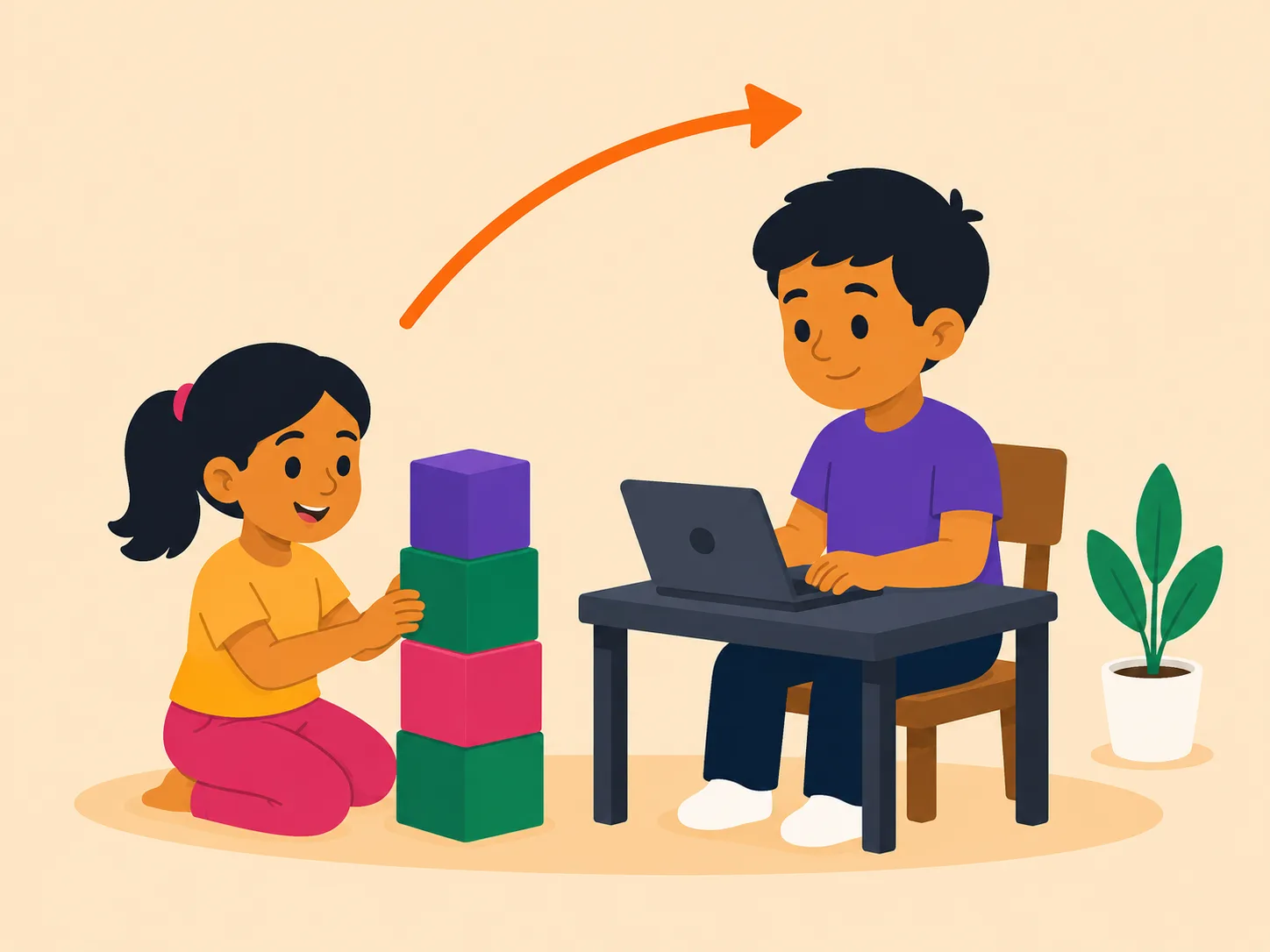
Coding before age 10 is not about turning children into programmers early. It is about building logic, creativity, confidence, and digital fluency while their curiosity is at its peak.
In this article
If your 8-year-old can build a pillow fort, invent a game, and ask 47 questions before dinner, they are ready to start coding.
Not because they need to become a software engineer tomorrow. Not because every child must grow up to work in tech. But because coding is one of the most fun, powerful ways to grow skills kids already use every day: curiosity, creativity, problem-solving, and confidence.
At CodeKutties, we do not see coding as a serious, grown-up skill children must "prepare" for someday. We see it as a playground for the brain right now. A place where kids can make things move, build silly games, solve puzzles, and discover that they are capable of much more than they thought.
So why start before age 10? Here are five big reasons, in plain parent language.
1. Coding teaches kids how to untangle tricky problems
When kids code, they learn something sneaky and wonderful: big problems are usually just small problems wearing a trench coat.
A character is not moving? A button is not working? The game keeps doing something weird? Kids start asking better questions: What happened first? What should happen next? Which part needs fixing? That is real problem-solving.
And it does not stay inside coding class. It shows up in maths homework, science projects, LEGO disasters, and even everyday life. A child who learns to say, "Let me break this into steps," is learning a life skill, not just a tech skill.
2. It turns screen time into create time
Most kids already spend time with screens. Coding changes the question from "What can I watch?" to "What can I make?"
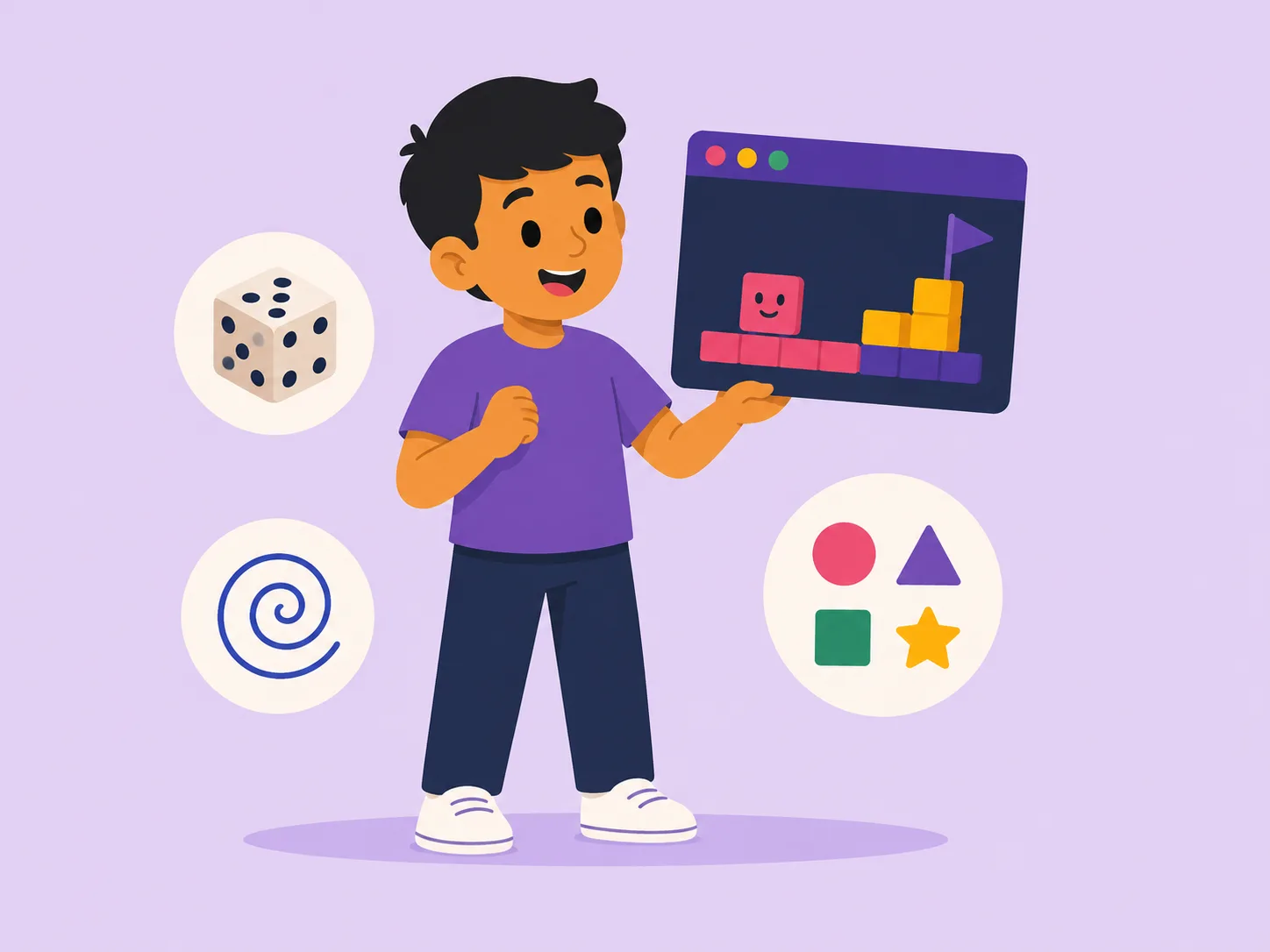
That shift is huge. Instead of only tapping games, kids start building their own. Instead of just watching animations, they create characters that dance, jump, and say ridiculous things on command.
For parents, this is one of the most exciting parts. Coding makes technology feel less like passive entertainment and more like a box of tools.
Kids stop being tiny consumers and start becoming tiny creators.
3. Coding is creative in the messiest, happiest way
Some adults hear the word coding and imagine rows of serious text on black screens. Kids do not experience it that way at all. For them, coding can feel like storytelling, drawing, game design, and puzzle-solving all mixed together.
One child makes a cat fly through space. Another builds a quiz about dinosaurs. Someone else creates a tiny dance party where every button makes a different character spin. That is coding too.
This is why coding clicks so beautifully before age 10. Children are still wonderfully imaginative. They do not separate "logic" and "creativity" the way adults often do.
when green flag clicked
    forever
        if key [space ▾] pressed?
            play sound [meow ▾]
            move 10 steps
4. Kids can see their confidence growing right on the screen
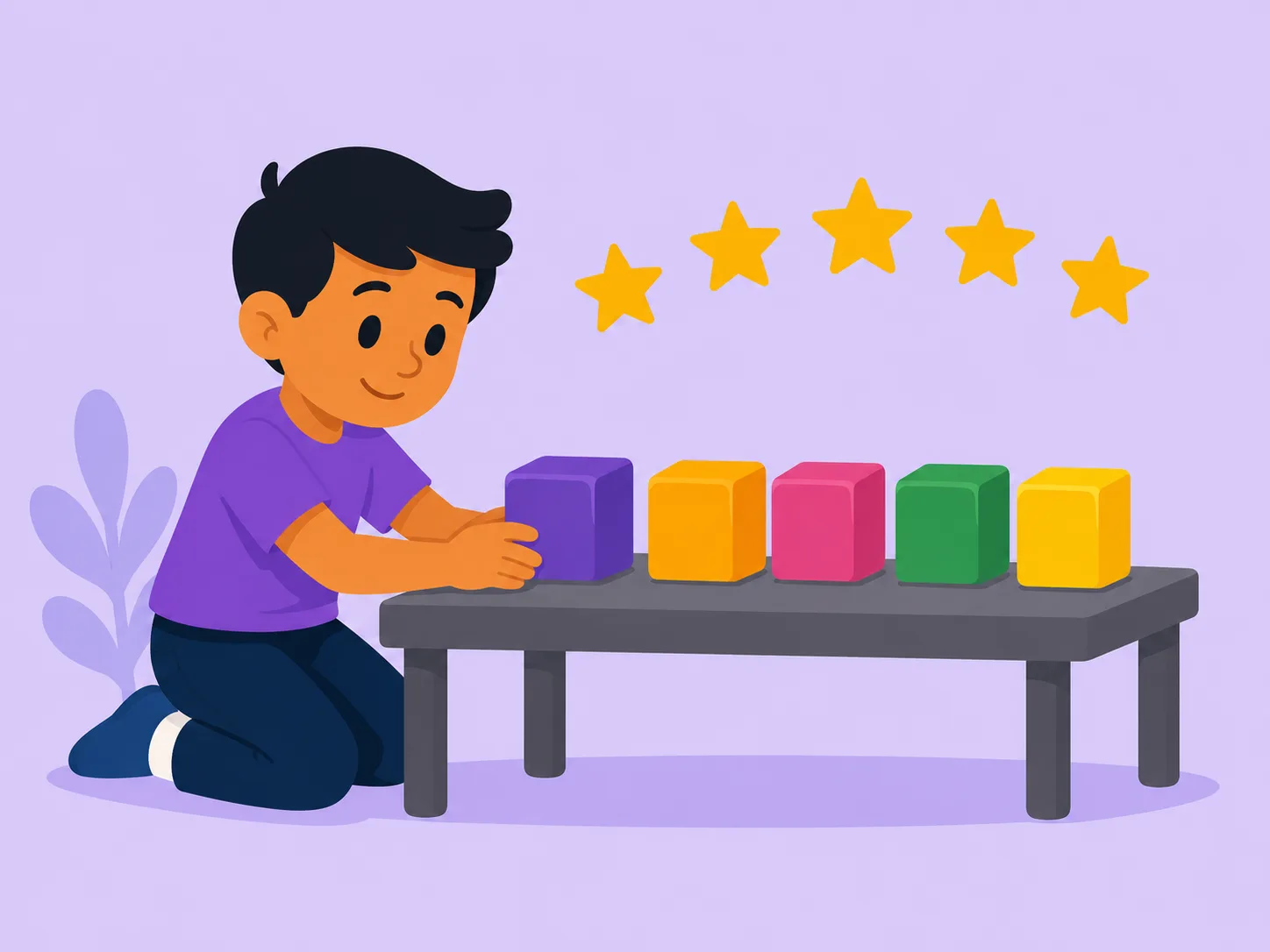
Confidence grows fastest when effort leads to something visible. Coding is brilliant at that. Kids type a few instructions, press run, and boom, the sprite moves. The character speaks. The game works. Or almost works, which is sometimes even better.
That instant feedback is powerful because children do not just hear, "Good job." They can actually see what they made. It gives them proof: I had an idea, I worked on it, and now it exists.
- Type a few instructions
- Press run
- Watch the sprite move
- Tweak, repeat, smile
5. It helps kids understand the world they are already growing up in
Kids are already surrounded by apps, games, smart devices, and now AI tools too. They do not need to master all of it at age 9, of course. But it helps when technology feels less like magic and more like something people build.
Coding gives children that first peek behind the curtain. They start to understand that instructions create outcomes, that digital tools follow rules, and that they can shape those rules too.
It is a bit like learning how to read a map instead of just sitting in the back seat. They may not drive the car yet, but they understand the journey much better.
Final thought
So no, coding before age 10 is not about rushing kids into adulthood. It is about meeting them exactly where they are: curious, playful, imaginative, and ready to build.
If your child loves asking questions, making things, solving little puzzles, or turning wild ideas into something real, coding is a beautiful place to begin.
Try this today: ask your child, "If you could build your own game, what would be in it?" Their answer will tell you everything. The spark is already there.