Coding Isn't Dying. It's Becoming a Superpower for Kids
For young coders and the grown-ups reading over their shoulder: what changes when you can make a computer do exactly what you imagined.
In this article
Hello. This one is for you, the kid, not the grown-up holding the phone. They can read over your shoulder if they like.
You have probably heard somebody say that computers write their own code now, so learning it is pointless. Maybe a cousin said it. Maybe a teacher said it in a slightly worried voice.
Here is what they are missing. Knowing how to code was never about being a fast typist. It is about being the person who can make a computer do exactly what you imagined, instead of hoping somebody else made an app for it.
That has not got less powerful. It has got a lot more powerful, and here is why.
Hey, this bit is for you
Think about the last time you wanted something that did not exist. A game with your friends' names in it. A timer that shouts when your turn is over. A program that picks who does the washing up so nobody can argue about it.
Right now you probably shrug and move on, because making things is somebody else's job. Somebody at a company somewhere decided which apps exist, and you got the ones they picked.
Nobody made the timer that shouts. Nobody made the washing-up picker with your family's names in it. Those things do not exist because nobody who wanted them knew how to build them.
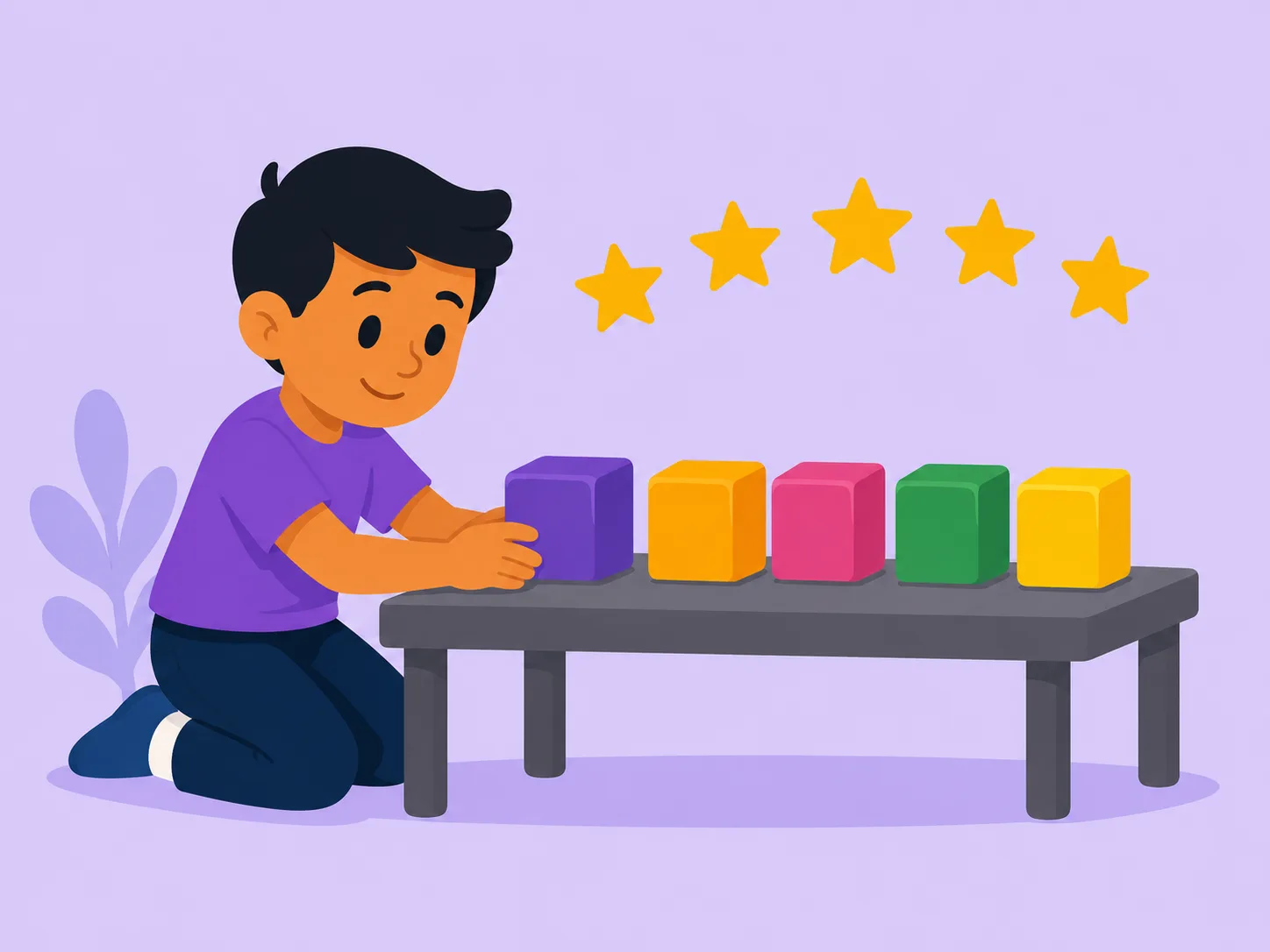
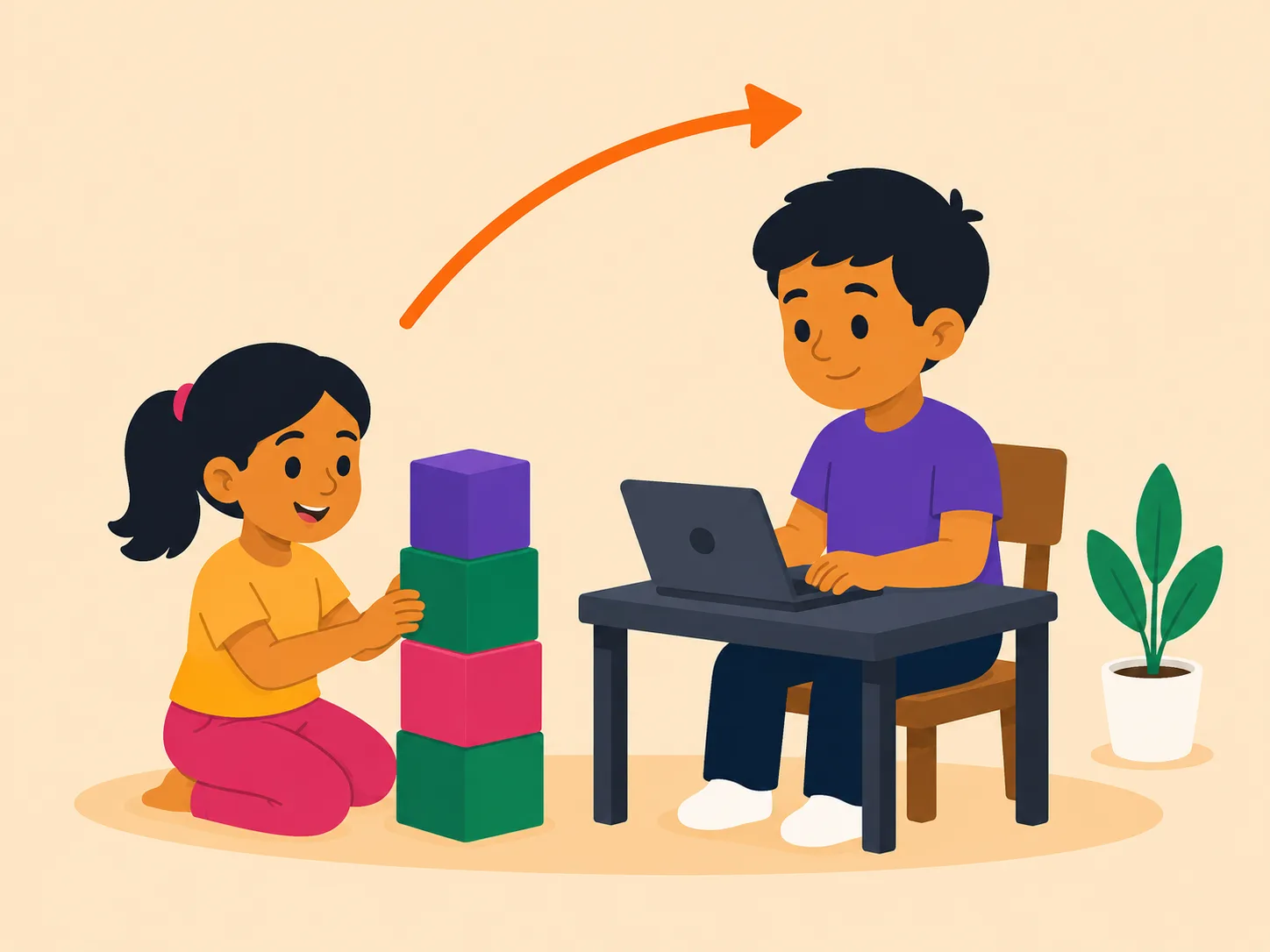
Coding is the moment that stops being true. You stop being someone who uses what exists and start being someone who adds to it. That is the actual superpower, and the hardest part of it is picking what to make.
The staircase
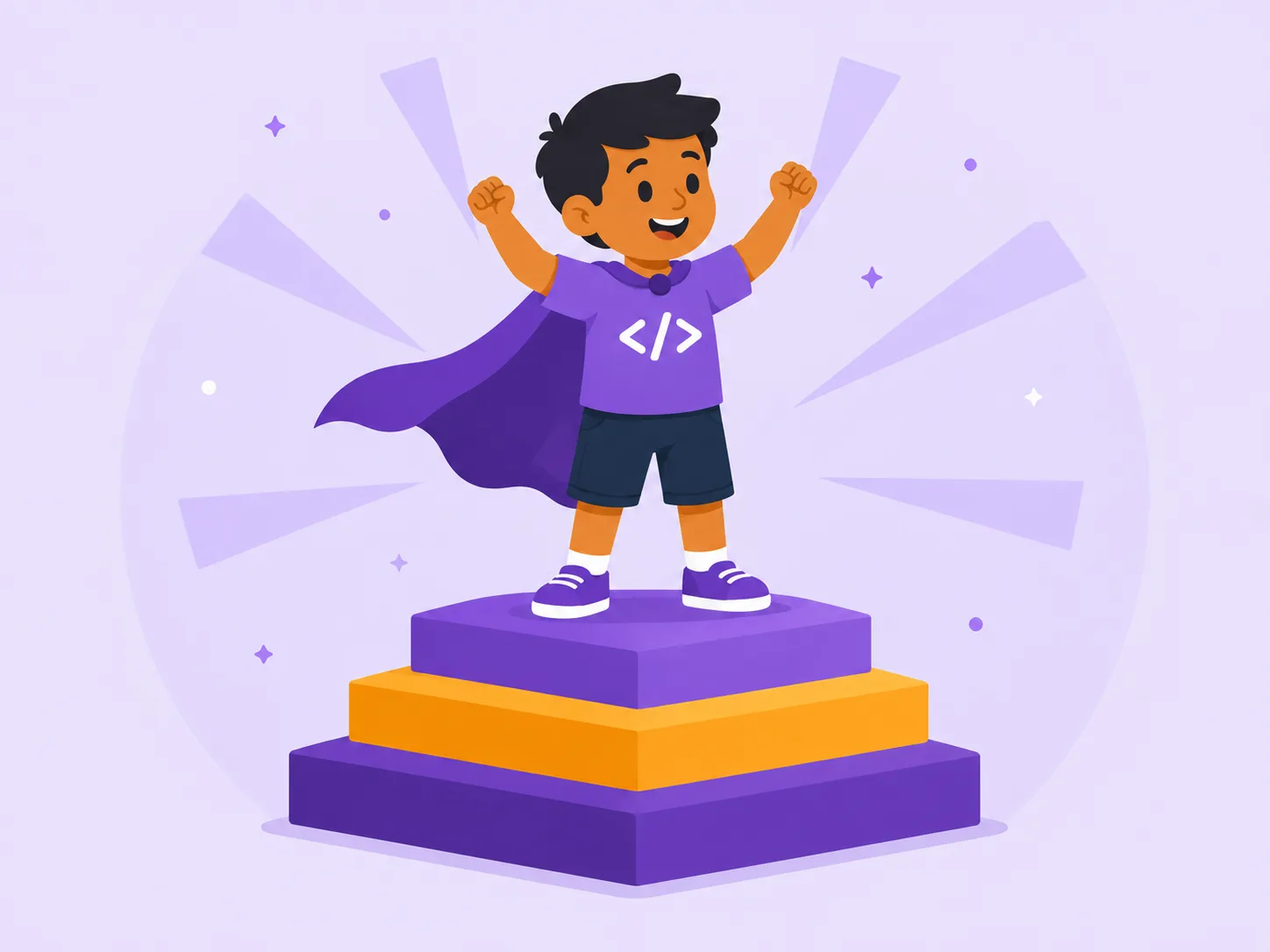
Nobody starts by building something amazing. Everybody climbs the same four steps, and each one only makes sense because you did the one below it.
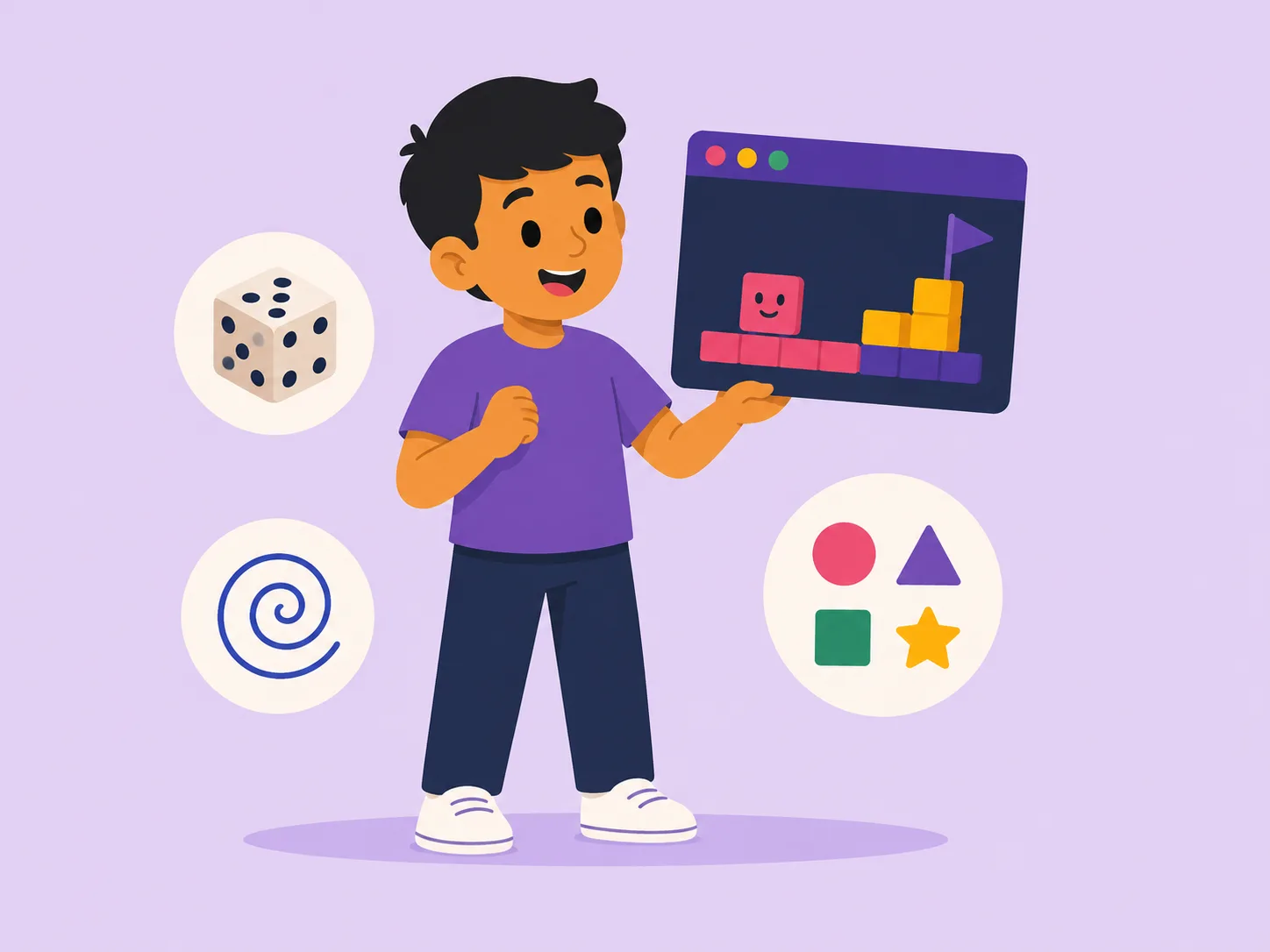
First curiosity: you wonder what happens if. Then logic: you work out what should happen in what order. Then code: you write it down in a way the computer understands. Then building: you make something that did not exist before you sat down.
The fun part is that step one is free. You already have it. Most grown-ups spent years getting it back after school talked them out of it.
You do not climb these steps once, either. Every new thing you build starts at the bottom again, wondering what happens if. The difference is that the climb gets faster each time, and after a while you stop noticing you are doing it.
Try this right now
Here is a real program. It is five lines and it launches rockets. Type it exactly, including the spaces at the start of the last line, because Python cares about those.
for i in range(5):
    print("🚀" * (i + 1))
Now break it on purpose
Change the 5 to a 20. Change the rocket to a cat. Take the spaces off the second line and see what the computer says when it gets confused, because reading an error message without panicking is a genuinely useful skill.
That whole cycle, change something, run it, see what happens, is what programmers do all day. Not typing. Poking.
Errors are not you failing. An error message is the computer being unusually helpful, telling you exactly which line confused it. Most people never learn to read them, which is a shame, because they are the only part of a computer that always tells you the truth.
And when you get stuck and ask an AI tool for help, you will actually understand what it hands back to you. That is the difference between using a tool and being used by one, which your grown-up can read about in what's left to learn.
You are not learning to type. You are learning to be the one who decides what the computer does.
What you can do this week
This part is for the grown-up reading over the shoulder. Three small things, none of which need you to know any code.
- Ask your child what they would build if nothing was impossible, then write it down.
- Let them run the rocket program and change it until it breaks. Do not rescue them.
- Ask them to teach you one thing they learned. Teaching is where it sticks.
Final thought
So no, coding is not dying. The boring layer of it got cheaper, which is a bit like saying calculators killed maths.
What is left is the good part. Deciding what to make. Understanding what you are looking at. Being the person in the room who can tell whether something actually works.
If your grown-up is still worrying, point them at why kids should still learn to code. If they want the jobs version, your child won't compete with AI is the one.
And if you want to build something properly rather than read about it, come to a free trial class. One hour, no card needed. Bring an idea nobody asked you for.